Use voice or text to communicate
Listening...
M&A Education market I Selling a Business I Managing Risk I M&A I Sell side
Timing a Sale: Risk-On and Risk-Off Markets in M&A
3min
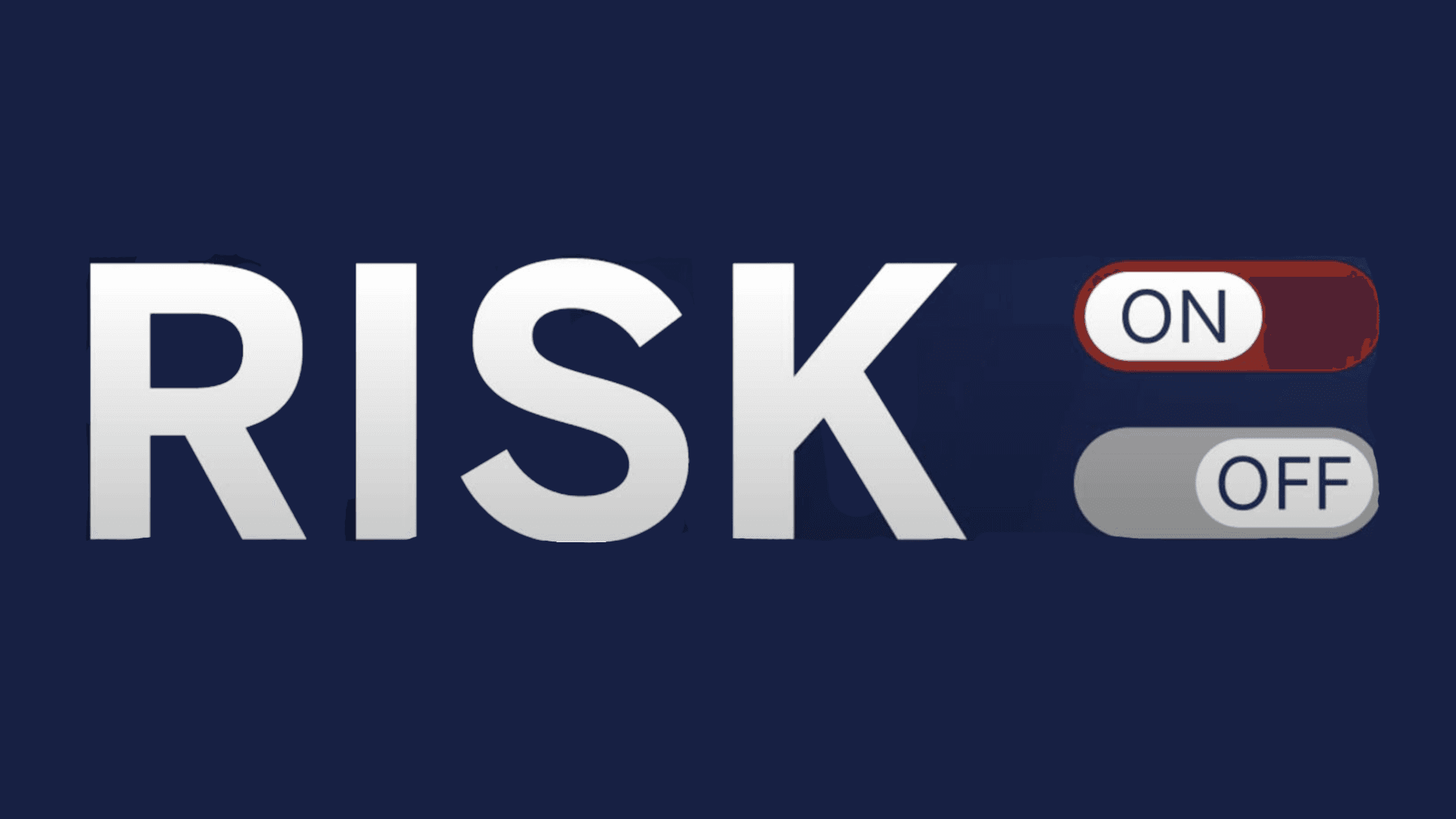
Timing a Sale: Risk-On and Risk-Off Markets in M&A
Understanding Risk-On and Risk-Off Markets: Impact on Investments, Private Equity, and M&A Strategy
In the dynamic landscape of investments and M&A, understanding the cyclical shift between risk-on and risk-off market environments is essential for investors, financial professionals, and business owners alike. These terms aren’t just buzzwords—they represent core investor behaviors that directly influence asset allocation, private equity deal flow, and M&A valuations.
What Are Risk-On and Risk-Off Markets?
At their core, risk-on and risk-off markets reflect shifts in investor sentiment and risk appetite in response to macroeconomic and geopolitical developments.
What Is a Risk-On Market?
In a risk-on environment, investors are optimistic about the economy and are more willing to invest in higher-risk, higher-reward assets. This confidence typically results from:
Strong GDP growth
Low interest rates
Positive corporate earnings
Global political stability
Typical Asset Preferences in Risk-On Conditions:
Equities (especially growth and small-cap stocks)
High-yield bonds
Emerging market funds
Real estate and commodities
During these periods, Private Equity (PE) firms become more aggressive, often willing to pay higher EBITDA multiples for promising acquisitions, particularly in high-growth sectors such as technology, SaaS, and healthcare.
What Is a Risk-Off Market?
A risk-off market is defined by pessimism and a general flight to safety. Investors seek to protect capital amid:
Recession fears
Interest rate hikes
Geopolitical instability (e.g., wars, trade tensions)
Market volatility or black swan events
Asset Classes Favored in Risk-Off Markets:
U.S. Treasury bonds
Precious metals (especially gold)
Defensive sectors (utilities, consumer staples)
Cash equivalents
In these conditions, M&A activity tends to slow down, and valuation gaps widen, as buyers become more conservative and sellers are reluctant to lower expectations.
Strategic Investment Shifts by Market Phase
Risk-On Strategies:
Sector rotation into tech, industrials, and discretionary consumer goods
Increased leverage use by investors and PE firms
Higher exposure to growth-oriented equities and alternatives
Active pursuit of M&A for expansion
Risk-Off Strategies:
Focus on capital preservation
Rotation into blue-chip stocks and fixed income
Heightened portfolio diversification
Use of hedging tools like options, puts, or inverse ETFs
The Influence of Risk-On/Risk-Off on M&A Trends
Risk-On Environment: M&A Acceleration
Valuation Multiples Expand: Investors chase deals amid strong equity markets and access to cheap debt.
Liquidity is Abundant: Corporate balance sheets and private equity dry powder drive deal activity.
Buy-Side Aggression: Strategic and financial buyers compete more heavily, leading to auction-style bidding and faster deal cycles.
Risk-Off Environment: M&A Deceleration
Caution Dominates: Buyers demand more thorough due diligence and apply conservative valuation models.
Debt Becomes Scarce or Expensive: Rising interest rates and tighter credit reduce financing availability.
Fewer Strategic Exits: Sellers may delay exit plans due to suppressed valuations or perceived market instability.
How Business Owners Can Leverage Market Cycles to Maximize Company Sale Value
Whether you’re considering selling during a bullish or bearish market cycle, aligning your strategy with current investor sentiment can lead to significantly improved outcomes.
Preparing for Sale in a Risk-On Market
Showcase Growth Trajectory
Buyers are eager to invest in companies with strong momentum. Emphasize top-line growth, product innovation, and market expansion efforts.
Build Strategic Partnerships
Partnerships with complementary firms or key industry players increase perceived value and scalability.
Strengthen Operational Metrics
Investors in risk-on markets are focused on scalable business models. Improve KPIs such as customer acquisition cost (CAC), retention rate, and EBITDA margin.
Prepare for Competitive Bidding
In a frothy market, more buyers means higher valuations. Structure a professional, auction-style sale process to encourage competitive tension.
Preparing for Sale in a Risk-Off Market
Highlight Financial Stability
In uncertain times, buyers gravitate toward predictable cash flow, solid balance sheets, and sticky revenue models.
Diversify Customer Base
Reduce reliance on a single client or geographic area to lower perceived concentration risk.
De-Risk the Business
Resolve outstanding legal issues, reduce debt loads, and lock in long-term contracts to make your company more attractive in conservative markets.
Leverage Expert Financial Advisors
Experienced M&A advisors can identify the right buyers even in slower markets and help structure deals to overcome valuation gaps.
Key Takeaways for Investors and M&A Professionals
Market sentiment shifts rapidly. Investors and business owners must remain agile and adjust strategies accordingly.
Private equity multiples are highly sensitive to macroeconomic factors. Timing matters more than many realize.
Risk-on markets are opportunity-rich, while risk-off markets reward resilience.
Whether you’re an acquirer or a seller, understanding the behavioral psychology of investors during different phases is essential for maximizing deal success.
Final Thoughts
In both bullish (risk-on) and bearish (risk-off) environments, informed strategy trumps timing alone. Recognizing and preparing for these market cycles allows business owners, investors, and M&A advisors to capitalize on opportunities—or preserve value—when others are reacting emotionally.
Thinking of selling your business or exploring strategic acquisitions? Contact our team to learn how to align your timing and tactics with today’s market cycle.
Talk to the Experts at Merit Investment Bank
Merit Investment Bank as a leading boutique investment bank is focused on entrepreneurial middle-market companies. Merit Investment Bank Executes sell-side M&A, buy-side M&A, and capital advisory services, debt and equity capital raises, corporate finance, and valuation services. Securities offered through Finalis Securities LLC Member FINRA/SIPC. Merit Investment Bank and Finalis Securities LLC are separate, unaffiliated entities.
WRITE TO US
Securities are offered through Finalis Securities LLC Member FINRA / SIPC. Merit Investment Bank is not a registered broker-dealer, and Finalis Securities LLC and Merit Investment Bank are separate, unaffiliated entities. Finalis Securities LLC, Office of Supervisory Jurisdiction is located at 450 Lexington Ave, New York, NY 10017, 800-962-0418.
Finalis Privacy Policy | Finalis Business Continuity Plan | FINRA BrokerCheck | Finalis Form Customer Relationship Summary ("Form CRS")
www.meritinvestmentbank.com (the "Merit Investment Bank Website") is a website operated by Merit Investment Bank. This website is for informational purposes only, is not an offer, solicitation, recommendation, or commitment for any transaction or to buy or sell any security or other financial product and is not intended as investment advice or as a confirmation of any transaction. Products and services on this website may not be available for residents of certain jurisdictions. Please consult with a Finalis Securities' registered representative regarding the product or service in question for further information. Investments involve risk and are not guaranteed to appreciate. Any market price, indicative value, estimate, view, opinion, data, or other information herein is not warranted as to completeness or accuracy, is subject to change without notice, and Merit Investment Bank along with Finalis Securities LLC accepts no liability for its use or to update it or keep it current.
Investing in private placements involves a high degree of risk. These investments may be illiquid, speculative, and subject to substantial restrictions on transferability. Investors may lose all or part of their investment and should only invest capital they can afford to lose. Prospective investors should conduct their own due diligence and consult with their legal, tax, and financial advisors prior to making any investment decision. For your reference, Finalis' Form CRS describes the services that we provide, how we are compensated, and other important information about Finalis Securities LLC.